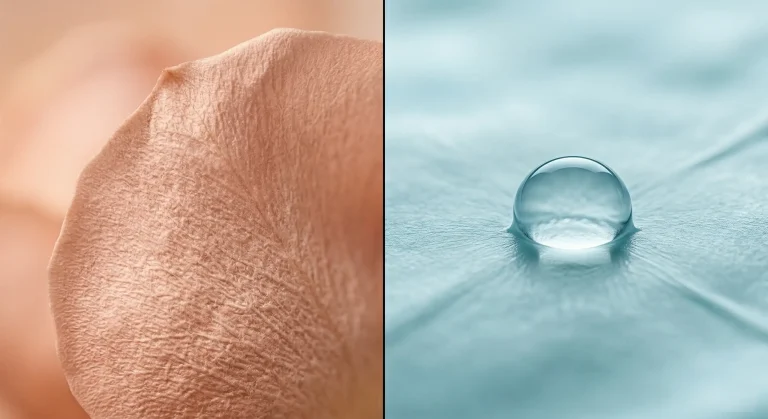

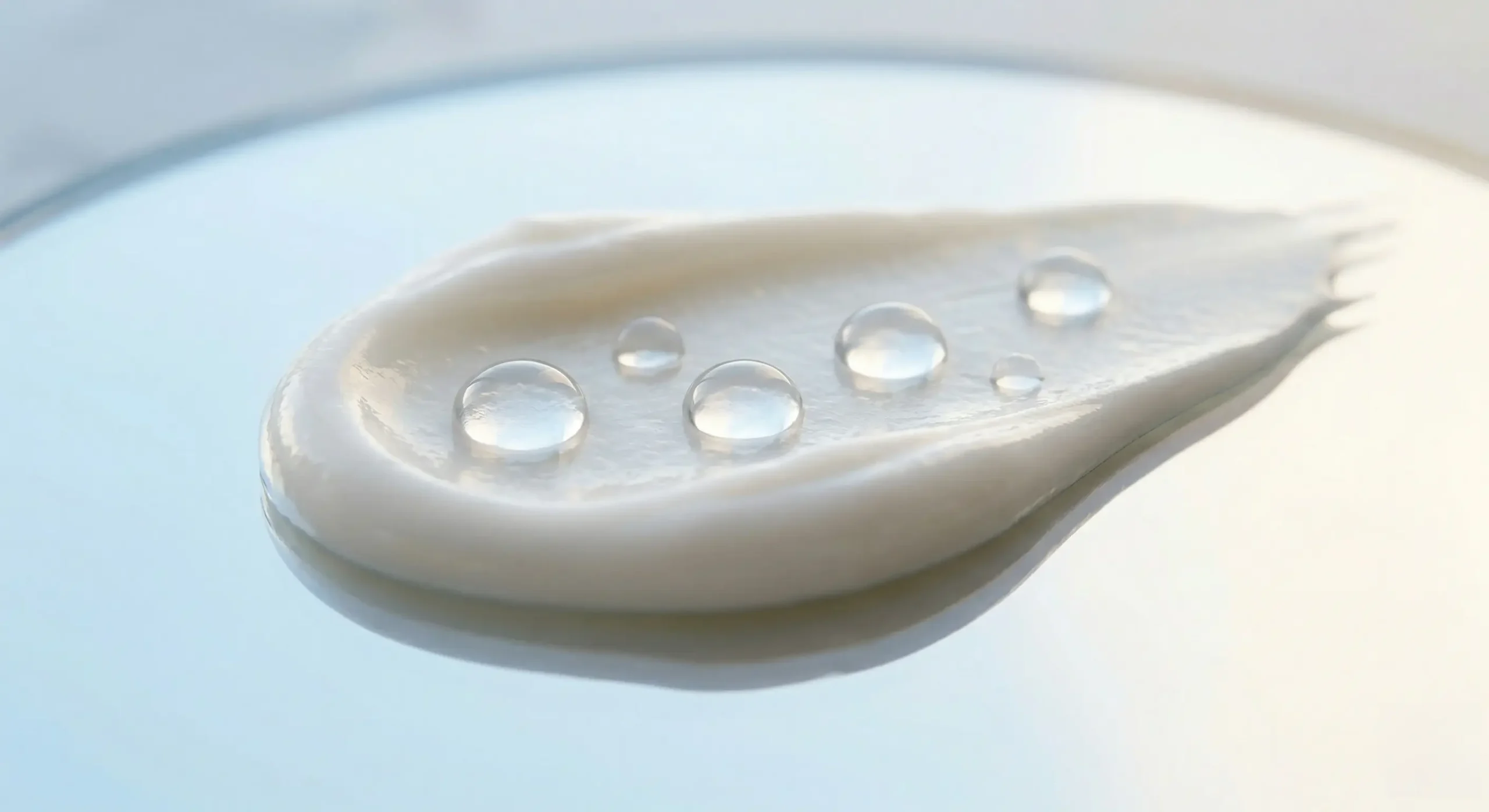

The reason your skin keeps getting worse despite a careful routine may have nothing to do with your products — and everything to do with the structure underneath them.
The Essential Guardian of Your Glow
You know the feeling. You breakout, so you buy a stronger exfoliant. Your skin dries out, so you layer on a heavier moisturiser. It stings, so you add a soothing serum. The routine grows. The products multiply. And somehow, inexplicably, your skin just keeps getting worse.
Here’s the uncomfortable truth: you’re probably treating the symptoms and ignoring the cause. Because underneath every flakey patch, every surprise breakout, and every stinging product application is a single structure that, when damaged, makes everything else fall apart — the Lipid Barrier.
Think of your skin cells as bricks in a wall. Strong individually, but structurally meaningless without mortar to hold them together. Your skin’s mortar is a tightly organised lipid matrix that sits in the spaces between those cells, forming a near-impermeable seal. Its job is elegantly simple: keep moisture in, and keep irritants out. When it’s intact and balanced, your skin is calm, hydrated, and resilient. When it’s broken — even subtly — everything begins to unravel.
The scientific measure of how well it’s holding water is called TEWL — Transepidermal Water Loss. When the barrier is healthy, TEWL is low and controlled. When it’s damaged, water escapes freely, hydration becomes impossible to maintain, and the door opens for irritants, bacteria, and inflammatory triggers to penetrate where they should never reach.
This article covers five of the most commonly missed signs of a compromised skin barrier — and a practical, evidence-informed protocol to rebuild it. No guesswork. No ten-step routines. Just the science, and what to actually do about it.
The Core PrincipleA damaged barrier doesn’t need more products. It needs the right ones, used with patience. The instinct to fight skin problems with stronger actives is almost always precisely what causes barrier damage in the first place.
The Science: Understanding the Lipid Layer
The mortar holding your skin’s bricks together isn’t a single substance. It’s a precisely calibrated blend of three lipid classes, each performing a distinct structural role. Alter the ratio of any one of them — through ageing, UV exposure, or the wrong skincare — and the mortar begins to crack.
~50%
Ceramides
The structural backbone of the lipid matrix. They hold adjacent cells together and are the primary regulator of TEWL. Ceramide levels drop with age and UV exposure.
~25%
Cholesterol
Controls membrane fluidity — keeps the barrier pliable rather than brittle. Frequently under-represented in barrier repair formulations, despite being indispensable.
~25%
Fatty Acids
Provide cohesion and anti-inflammatory signalling. A deficiency in linoleic acid specifically is directly associated with acne-prone and sensitised skin types.
The barrier maintains approximately a 1:1:1 molar ratio of these three lipid classes for optimal function.
Remove or deplete any one of these three and the barrier loses integrity. Ceramides, being the majority component, are typically the first to decline — accelerated by UV radiation, which disrupts ceramide synthesis in the epidermis, and by repeated use of high-pH cleansers, whose surfactants physically dissolve the lipid matrix with every wash. Over-exfoliation with acids or physical scrubs compounds this by removing stratum corneum cells faster than the skin can replace them.
And here is the aspect that most people miss: the damage is cumulative and largely invisible until it crosses a threshold. You don’t feel your barrier degrading day by day. You feel it all at once, two months into a new routine, when suddenly nothing seems to be working. By then, the disruption has usually been building for weeks.
5 Silent Signs Your Skin Barrier is Compromised
None of these signs are dramatic on their own. That is precisely what makes them easy to misread — and easy to treat incorrectly. But together, they tell a very clear story.
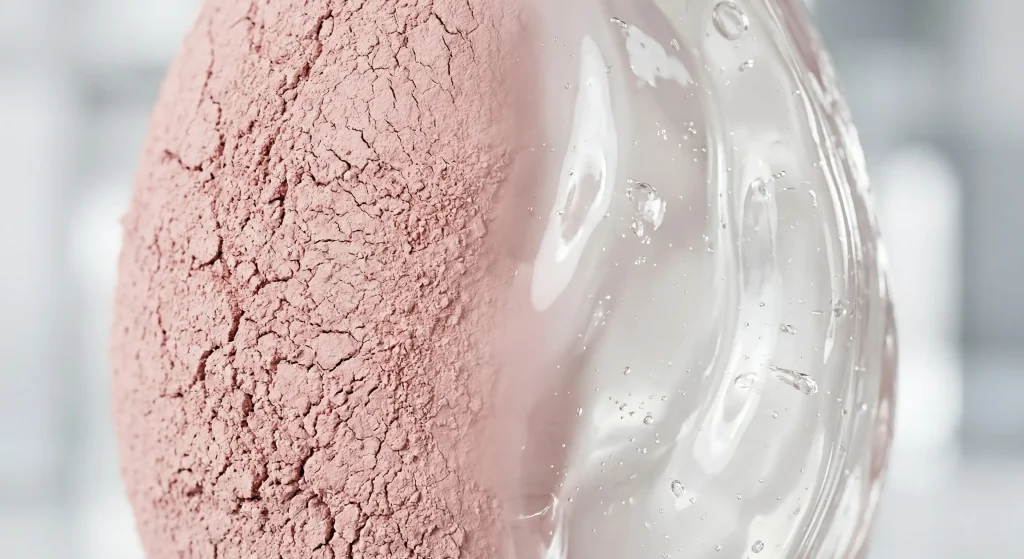
Sign 01 of 05
Stinging When You Apply Mild Products
You reach for the most basic, fragrance-free, dermatologist-approved moisturiser in your collection — the product so uneventful it should be incapable of causing a reaction — and it stings. Immediately. That makes no sense. Until it does.
An intact barrier prevents topical ingredients from penetrating beyond the outermost layers of the stratum corneum. When the lipid matrix is compromised, that filtering mechanism fails. Molecules that were never designed to reach deeper tissue now do exactly that — including ingredients that are perfectly inert at the surface. Once they reach the viable epidermis, they contact sensory nerve endings. Those nerve endings respond. They were designed to. The product has not changed. Your barrier has.
THE SCIENCE
Cutaneous sensory neurons — primarily unmyelinated C-fibres — are shielded from topical exposure by an intact stratum corneum. Barrier disruption eliminates that protection. Even simple humectants and emollients can trigger a pain or burning response when they access sub-barrier tissue.
Sign 02 of 05
Tightness and Dehydration Despite Heavy Moisturisers
You are applying moisturiser. Possibly twice a day. Your skin is still tight an hour later, still dull, still pulling. You add a richer formula. Same result. The bucket-filling analogy is overused but accurate here: you are filling a bucket with a hole in the bottom.
Elevated TEWL means your skin is losing water to the atmosphere faster than topical hydrators can replenish it. A moisturiser — even an excellent one — can attract water and temporarily increase surface hydration. But without a functional lipid barrier to seal that moisture in place, it simply evaporates. The solution is not more water. It is fixing the barrier that is failing to hold it.
THE SCIENCE
Healthy skin typically maintains TEWL between 5–10 g/m²/h. Clinically disrupted skin can exceed 25–30 g/m²/h. At those levels, occlusive agents provide meaningful but temporary relief. Lasting improvement requires active lipid matrix restoration — not increased moisturiser frequency.
Sign 03 of 05
Rough, Flaky Texture That Won’t Smooth
Flakiness that reappears within days of exfoliating. Rough patches that feel almost sandpapery regardless of what you apply. The instinct is almost universal: reach for a stronger scrub or acid. That instinct will make things significantly worse.
Normal skin shedding is a tightly regulated process called desquamation — dead cells are released from the surface in an orderly, invisible sequence. Ceramides are directly involved in regulating the enzymes that control this process. When ceramide levels drop, desquamation becomes disorganised. Cells pile up rather than shed, producing the rough, uneven texture that refuses to respond to surface-level intervention. Because the problem is not at the surface. It is structural.
THE SCIENCE
Serine proteases, including kallikrein-5 and kallikrein-7, drive desquamation and are pH-dependent. Barrier disruption raises the skin's surface pH, altering protease activity and causing the abnormal clumping and retention of corneocytes that presents as persistent rough texture.
Sign 04 of 05
Sudden Sensitivity to Products You Once Loved
The vitamin C serum you used every morning for six months is suddenly burning. The toner that was a staple now causes redness. Nothing in the formula has changed. But your skin’s ability to keep ingredients where they belong has.
A healthy barrier acts as a selective filter. It allows certain molecules to interact with the skin surface while blocking deeper penetration. A Compromised Barrier loses that selectivity. Ingredients that previously caused no issue now reach tissues where they trigger an inflammatory response. The serum did not become an irritant. Your failing barrier made it one. And the longer the disruption continues, the more ingredients get added to the reactive list — a process called sensitisation, which can persist even after the barrier has recovered.
THE SCIENCE
Repeated sub-barrier exposure to an ingredient can induce acquired contact sensitisation — an immune-mediated response that may persist long after the barrier is restored. This is one of the strongest clinical arguments for intervening at the first sign of barrier disruption rather than continuing actives.
Sign 05 of 05
Breakouts in New, Unusual Areas
Your skin has broken out on your cheeks for the first time. Or your jaw. Or your forehead, despite that never being a problem. New breakout locations, appearing alongside other signs of sensitivity, are rarely coincidental.
Healthy skin maintains a mildly acidic surface pH between roughly 4.5 and 5.5. This acidity is not arbitrary — it directly regulates the skin’s Microbiome, keeping Cutibacterium acnes at manageable population levels. When the barrier is disrupted, surface pH rises. That shift tips the microbial balance, creating conditions in which C. acnes — and other opportunistic bacteria — can proliferate in areas they would not normally dominate. The inflammation already present from barrier damage then amplifies the breakout response, producing spots in locations that have never been problematic before.
THE SCIENCE
A rise in skin surface pH from 5.0 to 6.5 impairs antimicrobial peptide activity, disrupts serine protease regulation, and shifts the microbiome composition measurably toward dysbiosis. These combined effects create the conditions for acne in non-traditional distributions — a pattern distinct from hormonal or comedogenic acne.
The Recovery Protocol: How to Fix a Broken Barrier
The good news: skin barrier damage is reversible. The less comfortable news: it requires doing considerably less than most people want to do — for considerably longer than most people expect.
Step 01 — Less Is More
The Actives Sabbatical
Stop. Everything.
Discontinue all of the following for a minimum of two to four weeks: AHAs (glycolic, lactic, mandelic acid), BHAs (salicylic acid), retinol and all retinoid derivatives, physical exfoliants and scrubs, vitamin C at low pH, and benzoyl peroxide unless prescribed. If it is doing something active to your skin, it needs to stop.
Every aggressive ingredient you continue using during barrier disruption adds to an inflammatory load the skin cannot currently manage. The skin cannot simultaneously repair itself and respond to challenge. Those two processes compete directly. Less is more is not a platitude here. It is the treatment.
Two to four weeks of doing nothing aggressive is not a setback. It is the protocol.
Step 02
Gentle Cleansing
Your cleanser may be quietly doing more damage than anything else in your routine. Foaming cleansers — particularly those containing sodium lauryl sulphate — are highly effective at dissolving lipids. That is precisely the problem. Every wash strips a portion of the lipid mortar you are trying to rebuild.
Switch to a non-foaming, creamy, or micellar cleanser formulated at a skin-compatible pH of approximately 4.5 to 5.5. The test after cleansing is simple: does your skin feel neutral and comfortable? Or does it feel tight, squeaky, or stripped? If it is the latter, the cleanser is part of the problem. Skin should never feel noticeably “clean” — that sensation is lipid removal.
- Look for: cream cleansers, oil cleansers, micellar waters
- Avoid: foaming, clarifying, purifying, or balancing cleansers during recovery
- Check: pH of 4.5–5.5 where possible (many brands now display this)
Step 03
The Moisture Sandwich
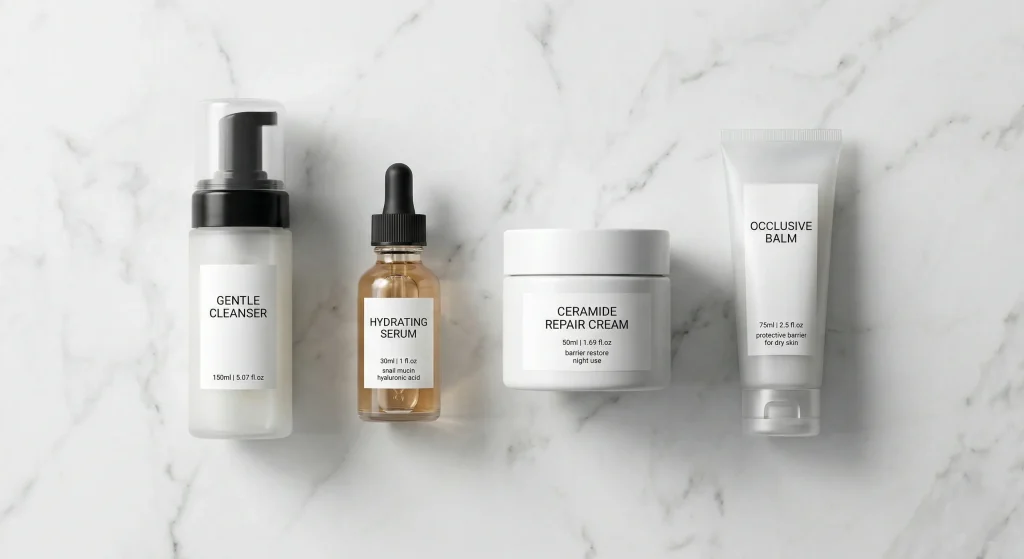
Barrier repair requires two things simultaneously: calming the inflammation already present, and rebuilding the lipid matrix that has been lost. The order in which you apply your products determines how effectively each ingredient reaches where it needs to go.
Layer 01 — Damp skinHumectant — draw water to the surfaceApply immediately after cleansing while skin is still slightly damp. Hyaluronic acid, glycerin, and beta-glucan draw atmospheric and deeper moisture toward the surface. This is the water layer. It goes on first, while the skin can still absorb it.
Layer 02 — Immediately afterBarrier repair — soothing and reparative activesThis layer addresses the inflammation and begins genuine structural repair. Look specifically for Allantoin, which accelerates cell regeneration and significantly reduces irritation; Centella Asiatica, which has well-documented wound-healing and anti-inflammatory properties via its triterpene content; and Snail Secretion Filtrate, which is frequently underestimated despite strong evidence for its reparative activity — its glycoprotein and hyaluronic acid matrix meaningfully supports barrier recovery and calms reactive skin. These are not luxury additions. During a compromised barrier, they are functional.
Layer 03 — Seal the repairCeramide-rich moisturiser — rebuild the mortarThis is the structural repair layer. A moisturiser containing Ceramides — particularly ceramide NP, AP, and EOP — alongside cholesterol and fatty acids provides the actual lipid building blocks the barrier needs to reconstruct itself. This is not optional during recovery. It is the repair. Apply generously and allow it to absorb fully before the final layer.
Layer 04 — Night onlyOcclusive — slow the water loss while you sleepA simple, affordable occlusive — petrolatum (Vaseline), Aquaphor, a plain shea-based balm, or an occlusive-forward moisturiser — applied as the final step before bed significantly reduces TEWL overnight. It does not repair the barrier itself. But it slows the water loss that is preventing recovery. The repair happens in the layers beneath; the occlusive buys them time to work.
Key repair ingredients to look for across all layers:
Ceramide NP / AP / EOP
Hyaluronic Acid
Centella Asiatica
Allantoin
Snail Secretion Filtrate
Beta-Glucan
Cholesterol
Niacinamide 2–5%
Patience is the Key Ingredient
Barrier repair does not happen overnight. At the two-week mark of a consistent, gentle protocol, most people begin to notice a meaningful difference — less stinging, less tightness, fewer unexpected breakouts. Full recovery from moderate damage typically takes four to six weeks. Severe, longstanding disruption can take longer still.
“Healthy skin is not aggressive skin. It is balanced, resilient, and largely self-sufficient — when it is given the conditions to be.”
The skincare industry has a significant commercial interest in selling you more products and stronger actives. Barrier repair asks you to do the opposite: to stop, simplify, and wait. That is genuinely difficult when you are frustrated with your skin. But it is the only protocol that actually works — because you cannot exfoliate, treat, or layer your way out of a problem caused by exfoliating, treating, and over-layering.
Your skin barrier rebuilt itself before you ever thought about skincare. With the right support, it will do it again. Give it the conditions, the ingredients, and above all, the time.

References & Further Reading
- Skin Barrier Function and How to Repair and Care for It (Healthline — Medically reviewed by certified dermatologists)
- What to Know About Ceramides for Skin (WebMD — Medical Reference)
- How To Tell if Your Skin Barrier Is Damaged and What To Do About It (Cleveland Clinic Health Library)