

The $14 Question: Is It Really a Charlotte Tilbury Dupe?
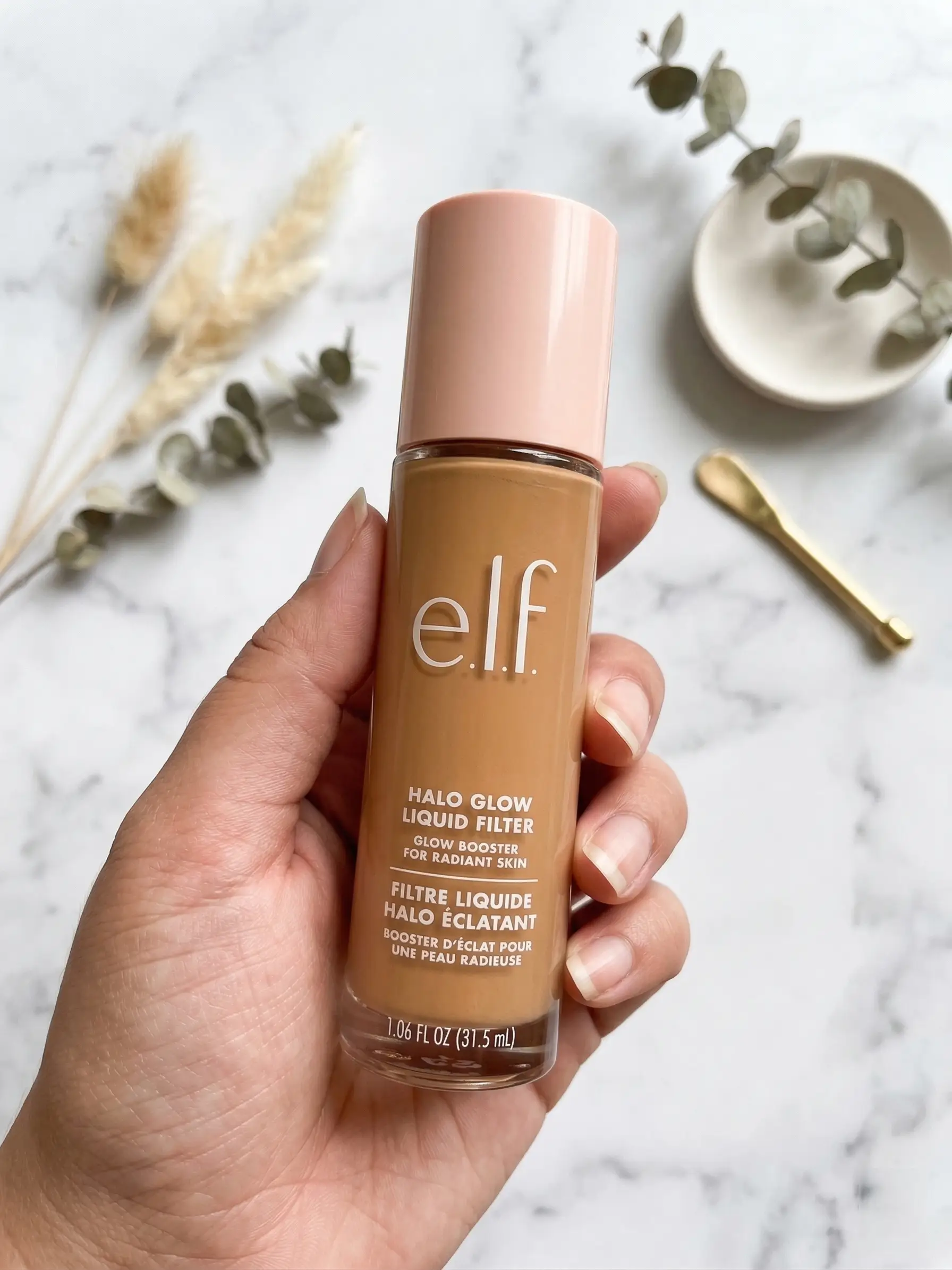
My e.l.f. Halo Glow Liquid Filter review starts the same way it started for a lot of us: a TikTok video I watched at midnight with my phone two inches from my face, watching someone press a giant doe-foot applicator onto their cheekbone and suddenly look like they’d been professionally lit. Then the price appeared on screen. Fourteen dollars. I was at Target the next morning.
The comparison to the Charlotte Tilbury Flawless Filter — which retails for $49 — is everywhere, and it’s not baseless. The concept is identical: a sheer, skin-tinting liquid illuminator you can wear alone, under foundation, or dabbed on as a highlight. The question is whether e.l.f. actually got close enough to matter.
TL;DR — Quick VerdictYes — it is an incredibly close dupe that delivers a genuine glass-skin, lit-from-within finish for a fraction of the price. But if you have oily skin and skip setting powder, you will be a grease puddle by early afternoon, so go in with a plan.
The Formula and That Giant Wand
The Packaging First — Because That Applicator Is a Lot
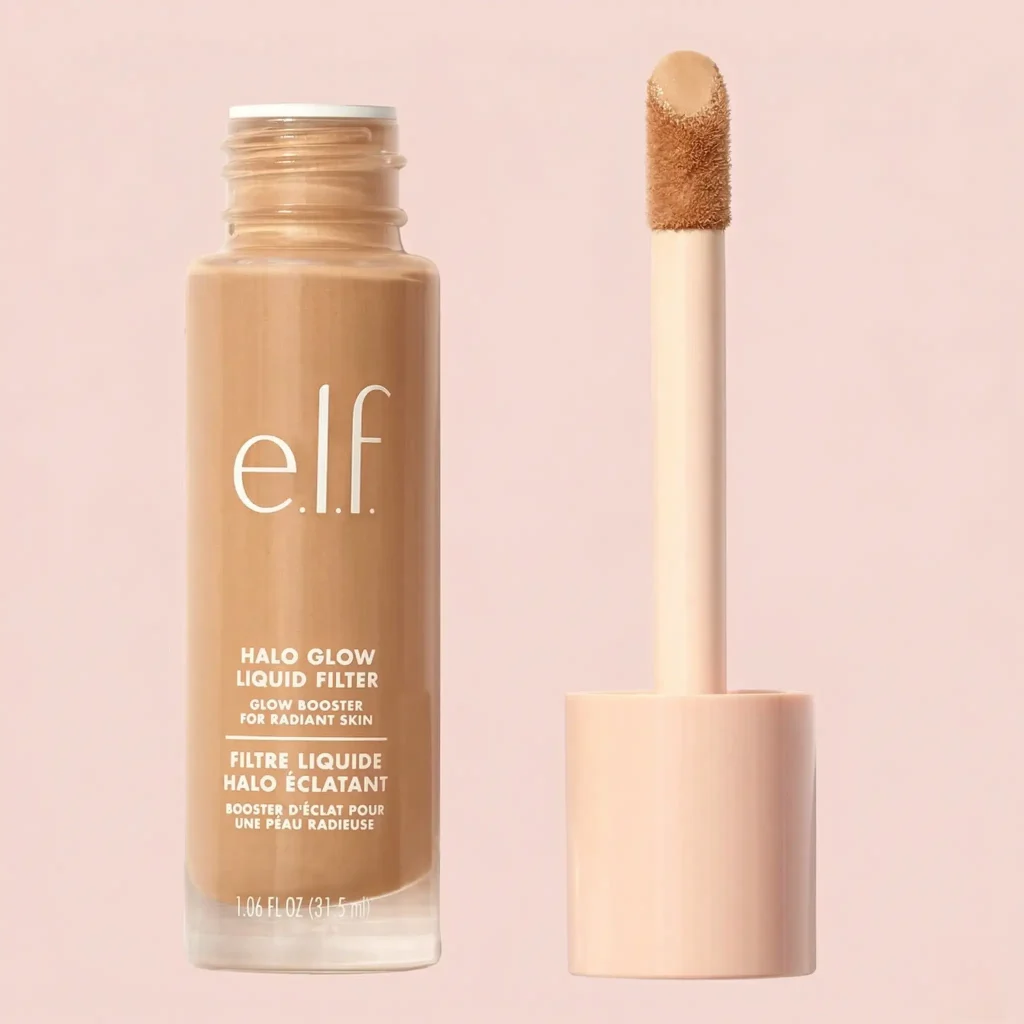
The bottle is sleek. Tall, frosted, with a rose-gold cap that looks significantly more expensive than it is. Then you open it and the doe-foot applicator is enormous — like, comically large. It picks up a lot of product in one dip, which means first-timers will almost certainly over-apply and then wonder why they look like a disco ball. Less is genuinely more here. One dip serves the whole face if you spread it well.
Wipe the excess back into the bottle before you touch your face. You’ll thank me later.
What’s Actually in It
The formula is built around two skin-loving ingredients: squalane and hyaluronic acid. Squalane is an emollient derived from plants (olives, sugarcane) that mimics the skin’s own natural oils — it hydrates without clogging pores and gives that soft, skin-like finish rather than a heavy, painted-on look. If you want to understand why it’s become such a skincare staple, Byrdie’s breakdown of squalane’s skin benefits is genuinely one of the clearest explanations out there.
The hyaluronic acid pulls moisture to the skin’s surface, which is part of why this product gives that plumped, dewy finish rather than a flat, matte shimmer. Worth being clear though: this is not a foundation. It’s a sheer colour-correcting filter with glow. It evens out the look of the skin rather than covering it.
The Wear Test: Glowy or Greasy?
I tested it three different ways across multiple skin days — both when my skin was more dehydrated and when it was running oily. Here’s what actually happened.
Method 01
Worn Alone
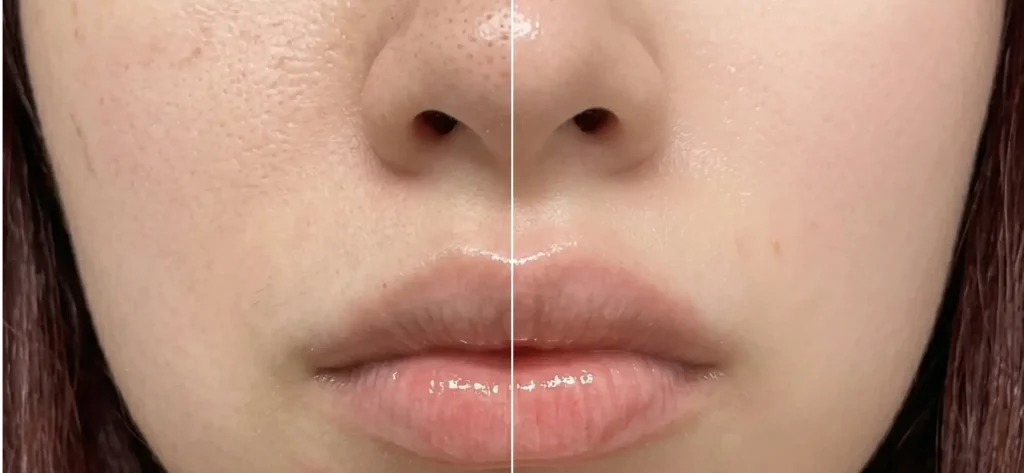
Patted on clean moisturised skin with fingers. The result is genuinely beautiful — a sheer, glassy wash of colour that blurs imperfections and catches light without looking sparkly. Think “your skin but rested and slightly expensive-looking.” Stays dewy on dry skin well past the 3 PM mark.
Method 02
Under Foundation
Applied first, waited two minutes, then pressed on a light foundation on top. The glow diffuses through the foundation beautifully — it gives that underpainting effect where the skin looks luminous from beneath rather than highlighted on top. My personal favourite way to wear it.
Method 03
As a Highlighter
Dotted onto cheekbones, brow bones, and cupid’s bow on top of a full face. The glow is stronger and more metallic this way. Works beautifully for evening — a little intense for a Tuesday morning in a fluorescent-lit office.
The Honest 3 PM Report
On a normal dry-to-combination day: still glowy, maybe slightly more settled, looks intentional. On a genuinely oily skin day without setting powder: do not do this to yourself. By early afternoon it had migrated into every line and pore on my nose, and the dewy glow had crossed fully into what I can only describe as “shiny in a stressful way.”
If you have oily or combination-oily skin, this product works — but you need a plan. Set your T-zone with a finely-milled translucent powder after application, and keep blotting papers on you. Skipping this step and hoping for the best is how the “greasy filter” reviews happen. The product isn’t wrong; the routine is.
The Pros and Cons
✓ The Pros
The glass-skin effect is real and arrives in about thirty seconds
Unbeatable price — $14 for a product this close to a $49 alternative
Blurs imperfections beautifully — pores and texture look softened instantly
Genuinely hydrating formula — skin feels good, not just looks good
Very close shade match to the Charlotte Tilbury version in equivalent tones
Versatile — three different ways to wear it, all of them work
✗ The Cons
Shade range is improving but still limited at the deeper end
The giant applicator picks up too much product — messy for beginners
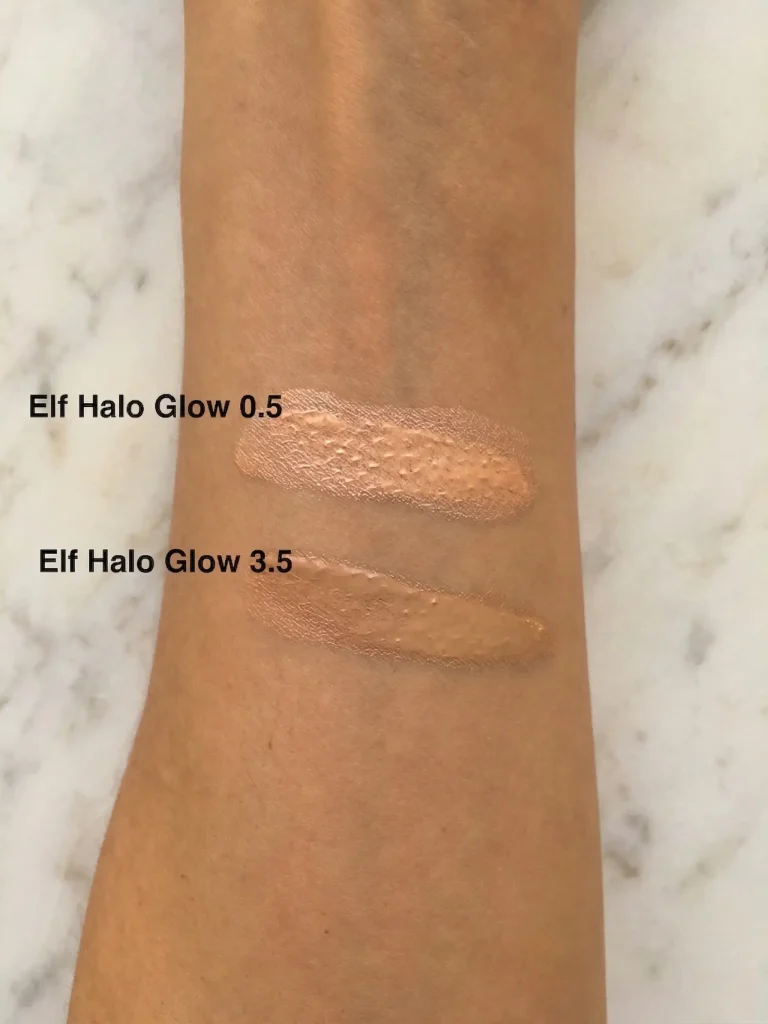
Shades run slightly warm and orange-toned — cool undertones should swatch carefully
Not suitable for very oily skin without setting powder as a non-negotiable follow-up
The glow is slightly more metallic than the Charlotte Tilbury — less “skin” and more “product” up close
e.l.f. vs. Charlotte Tilbury: The Final Showdown
Let’s actually compare them side by side, because the answer is more nuanced than “same product, different price tag.”
| Feature | e.l.f. Halo Glow ($14) | Charlotte Tilbury Flawless Filter ($49) |
|---|---|---|
| Price | $14 — clear winner | $49 |
| Finish | Dewy, slightly metallic glow | Pearlescent, more skin-like shimmer |
| Formula texture | Slightly thicker, more product-forward | Lighter, melts into skin faster |
| Wear longevity | Good on dry skin, fades on oily | Slightly better staying power |
| Shade range | Growing, still limited | Broader, more inclusive range |
| Hydrating ingredients | Squalane + hyaluronic acid | Hyaluronic acid |
| Dupe accuracy | Close enough that most people won’t notice the difference in photos | |
Here’s the honest summary: Charlotte Tilbury has a more refined, pearlescent shimmer that reads as closer to real skin luminosity. The e.l.f. version has a slightly thicker, more overtly metallic glow that is gorgeous in its own right — just slightly more “I’m wearing a product” at close range. The liquid illuminator trend itself has exploded across beauty categories for exactly this reason — that lit-from-within, skin-perfecting look has become one of the defining aesthetics of modern base makeup, and Allure’s guide to using liquid illuminators is worth reading if you’re new to layering them effectively.
For $14, the e.l.f. version wins the value category without question. If you’ve never tried a liquid filter before, start here. If you’re already converted and want the most refined version of the effect, the Charlotte Tilbury earns its price. But the gap is genuinely smaller than $35 would suggest.
This e.l.f. Halo Glow Liquid Filter review ends with a clear recommendation: buy it, especially if you’re new to the liquid filter trend and not ready to commit $49 to find out if the category works for you. It delivers a beautiful, genuine glass-skin finish at a price that makes restocking it a non-event — and for dry-to-normal skin types, the wear performance is impressive enough that I genuinely questioned whether I needed the Charlotte Tilbury version at all.
Oily skin types: it works, but only with the right supporting routine. Don’t skip the setting powder and don’t say I didn’t warn you.